

AI solutions that truly work
We’ve seen every pitfall and we know how to avoid them. From intelligent chatbots to predictive analytics, our custom AI solutions deliver measurable business results in weeks, not months.
With FrontEndART, AI simply works.
We build the software you actually need!
Custom-built solutions for unique businesses. Full ownership of your system, developed and supported by FrontEndART.
25 years of experience and the know-how to make every project a success.

Professional testing: from planning to production
Stable performance isn’t a matter of luck. It’s the result of a proven method. With our quality assurance expertise, development becomes a predictable, controlled process instead of a source of uncertainty.
Independent, objective testing to ensure consistently higher quality.

Our Services
Discover our comprehensive range of professional services, carefully categorized to meet your specific needs. Each service is designed with expertise and attention to detail to deliver exceptional results.
We build the software you actually need!
Professional testing: from planning to production
Who We Are
About FrontEndART
FrontEndART is a Hungarian IT company that actually delivers on the promise of digital transformation. We specialize in AI/ML solutions, custom software development, and comprehensive testing services for mid and large enterprises ready to move beyond outdated systems and embrace intelligent automation.
We build production-grade systems that solve real business problems. From idea to deployment, we translate strategy into working software—fast, transparent, and measurable.
Our Core Services
- AI & Machine Learning: 50+ delivered projects—from NLP chatbots to predictive analytics. We turn AI ambitions into business reality for smart automation and decisions.
- Custom Software: 25 years building systems that fit how you work. Modernize legacy or create new solutions that integrate with your infrastructure.
- Testing & QA: Comprehensive planning, automation, and continuous testing that measurably improves reliability from API to UI.
What Makes Us Different
- We deploy, not just plan: while others are still planning, we’re already shipping working solutions.
- Tech + business fluency: we speak both, so stakeholders see value and systems get cutting‑edge capabilities.
- Hungarian team, global standards: we know your market, NAV, GDPR, and local practices—and we pick up the phone at 9 AM Monday.
Our Promise
- Partnership, not just delivery — we measure success by your ROI and stay committed beyond deployment.
- Transparent process, no black boxes — fixed teams, clear explanations, and accountability from start to finish.
- Start small, scale smart — prove ROI with quick wins, then expand systematically without disruption.
Ready to take the next step? Let’s discuss your goals and identify quick wins.
Latest Updates
News & Updates
Stay up to date with the latest news, insights, and developments from FrontEndART. Discover industry trends, product updates, and expert insights.
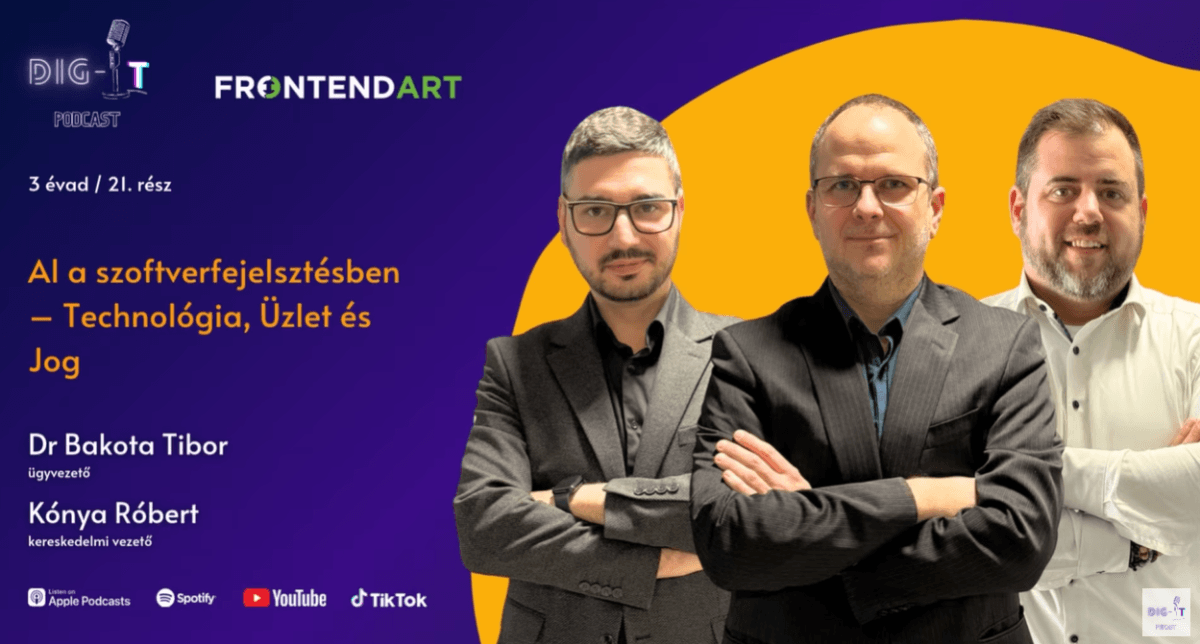
FrontEndART x DIG-IT Podcast: AI, Responsibility, and Efficiency in Software Development
Artificial intelligence is no longer a theoretical issue but a source of practical decisions in software development. This episode of the DIG-IT Podcast explores where AI provides true added value, where its boundaries lie, and how it reshapes learning and operational frameworks for developers. Experience-based insights, technological realities, and leadership responsibilities in a fast-changing environment.

From Software Development to Project Management – Marci’s Journey at FrontEndART
The interview presents Marci's career path, who started as a software developer at FrontEndART and gradually made his way to a project management role. The discussion highlights the professional and personal decisions behind the transition, as well as the challenges of moving from developer to leader. Marci’s experiences illustrate the daily life, responsibilities, and diversity of project management. His story offers guidance for those looking to expand their technical career to include leadership in the long term.
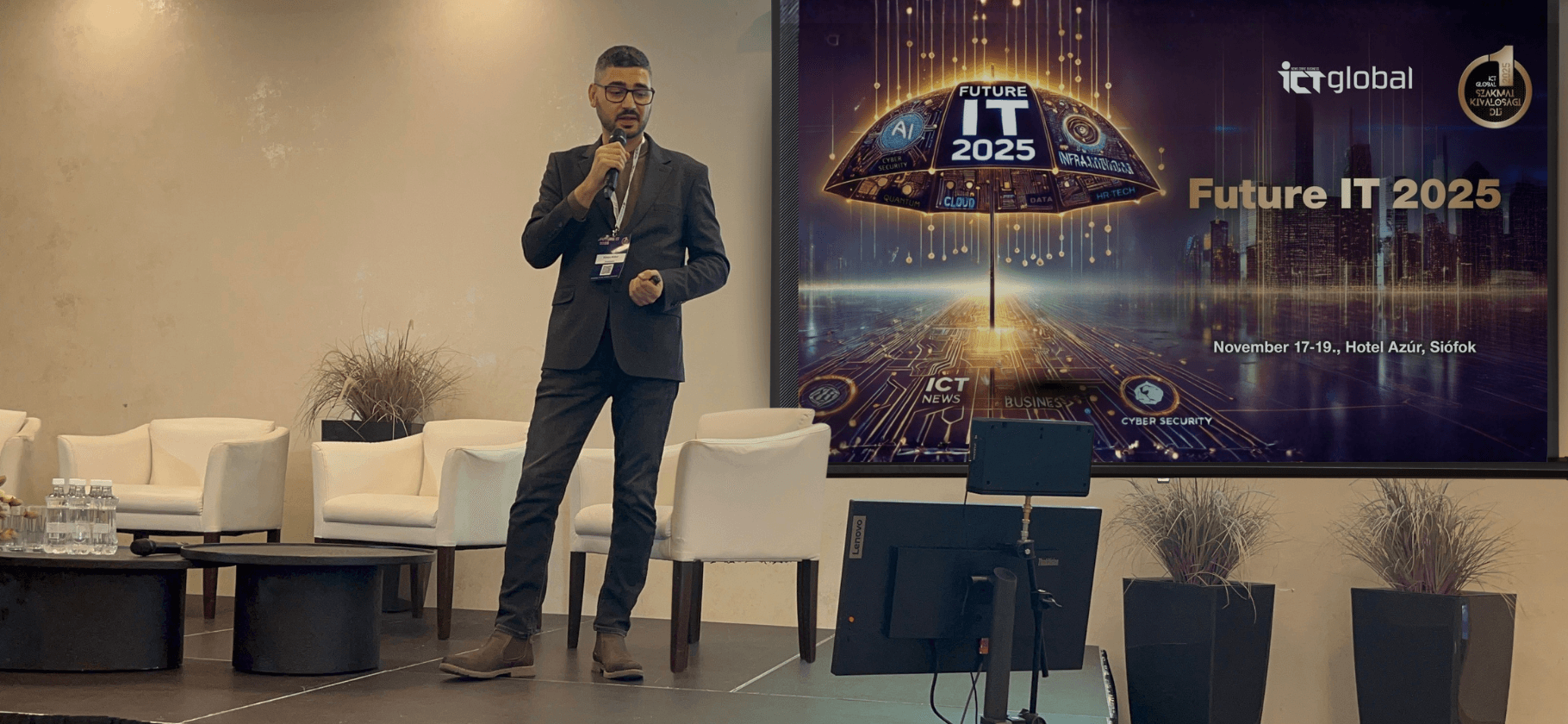
Future-Shaping IT Solutions and Corporate Practices: Future IT 2025 Conference
The Future IT 2025 conference brought together decision-makers and innovation leaders from the IT industry for three days in Siófok, where cutting-edge technology trends and business approaches took center stage. Crucial topics for companies—ranging from the business application of quantum technology to the role of AI agents—were addressed with a practical mindset. FrontEndART participated as an invited speaker, with Kónya Róbert showcasing the key steps for implementing AI-based operations through real-world examples. Attendees left with practical solutions, new tech know-how, and valuable connections. Besides rich professional content, the event again provided an excellent platform for networking and sharing corporate practices.

Real Experiences, Real Inspiration – AI Business Breakfast Hosted by FRISK, FEA AI, and FrontEndART
AI has now become one of the most important business tools in the financial sector, offering both opportunities and challenges in efficiency, risk management, and compliance. The joint AI Business Breakfast by FRISK, FEA AI Solutions, and FrontEndART showcased how Hungarian organizations apply AI through real-life projects. The professional talks approached regulation, customer service, and data analysis from a practical perspective. The roundtable discussion brought honest insights on measuring AI’s value, overcoming early hurdles, and the leadership decisions needed for success. The event’s main message: AI is now a strategic factor that provides long-term competitive advantage for those who integrate it deliberately and early.
Get in touch
Contact Us
Have a question or want to learn more about our software quality assurance solutions? We'd love to hear from you. Send us a message and we'll get back to you as soon as possible.